

The spring semester brought a wide range of student and staff activities within the Faculty of Arts, University of South Bohemia's cooperation with Argentina. As an intern at the Czech House in Buenos Aires, Ludmila Weisová welcomed the President of the Czech Republic and taught Czech to members of the Czech community. Rita Belén Meza analyzed textbooks and served mate and alfajores for students. Gabriela Leighton and Rodrigo Jimeno led a seminar on Argentine culture as part of Ibero-American Week. Ivo Petrů, Markéta Šmídová, and Vladimír Žlábek lectured to Argentine students, advanced collaborative projects, and met with representatives of partner universities.
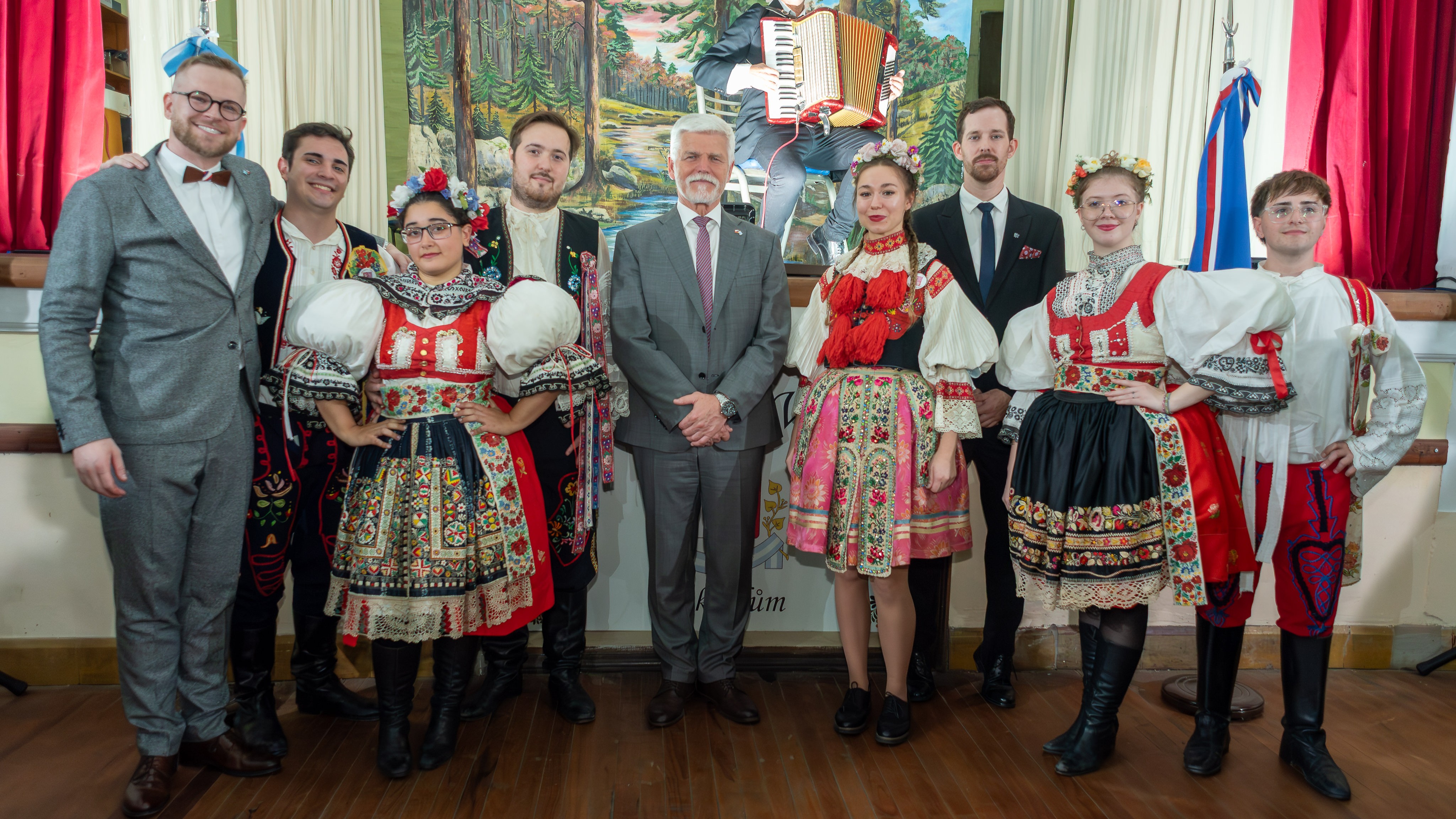
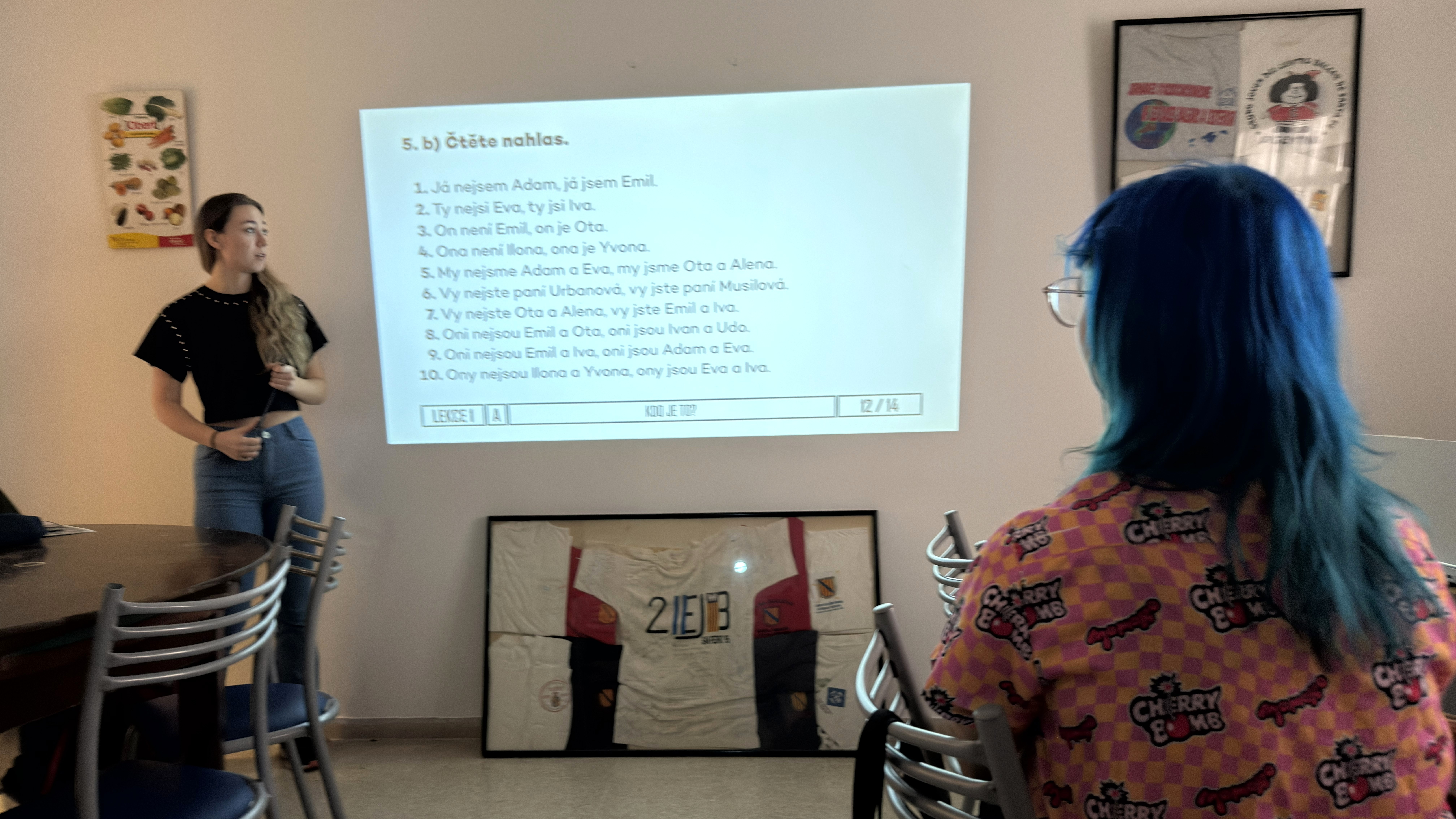
At the beginning of the semester, we reported on the launch of the internships. Since then, several activities have gathered momentum. During her three-month stay, Lída devoted herself primarily to teaching two hundred descendants of Czech expatriates and enthusiasts of the Czech language, under the kind mentorship of Petr Táborský. In addition to teaching in Buenos Aires, she traveled to Santa Fe, Rosario, and Chaco Province, where she also conducted interviews with several generations of the Czech community for her bachelor's thesis. Her presentation, “Entre lengua e identidad: el contacto de checo y español en Argentina,” also added an academic dimension to her stay at a workshop hosted by partner institution National University of San Martín, where she met Valeria Galván, director of the Center for Political History Studies (UNSAM). She also became involved in the activities of the Czech House and Slovak associations in Buenos Aires, Berisso, and Córdoba: she helped organize traditional celebrations and welcomed President Petr Pavel during his official visit to Argentina. She spoke twice about her internship, teaching, and life in expatriate communities on Radio Cultura's Humoresque program (March, April) and met several times with the Czech Ambassador to Argentina, H.E. Dr. Jarmila Povejšilová. An August reunion in Poděbrady with three students whom she had taught Czech in Buenos Aires and who were later selected for a one-month scholarship in the Czech Republic brought this chapter to a fitting close.
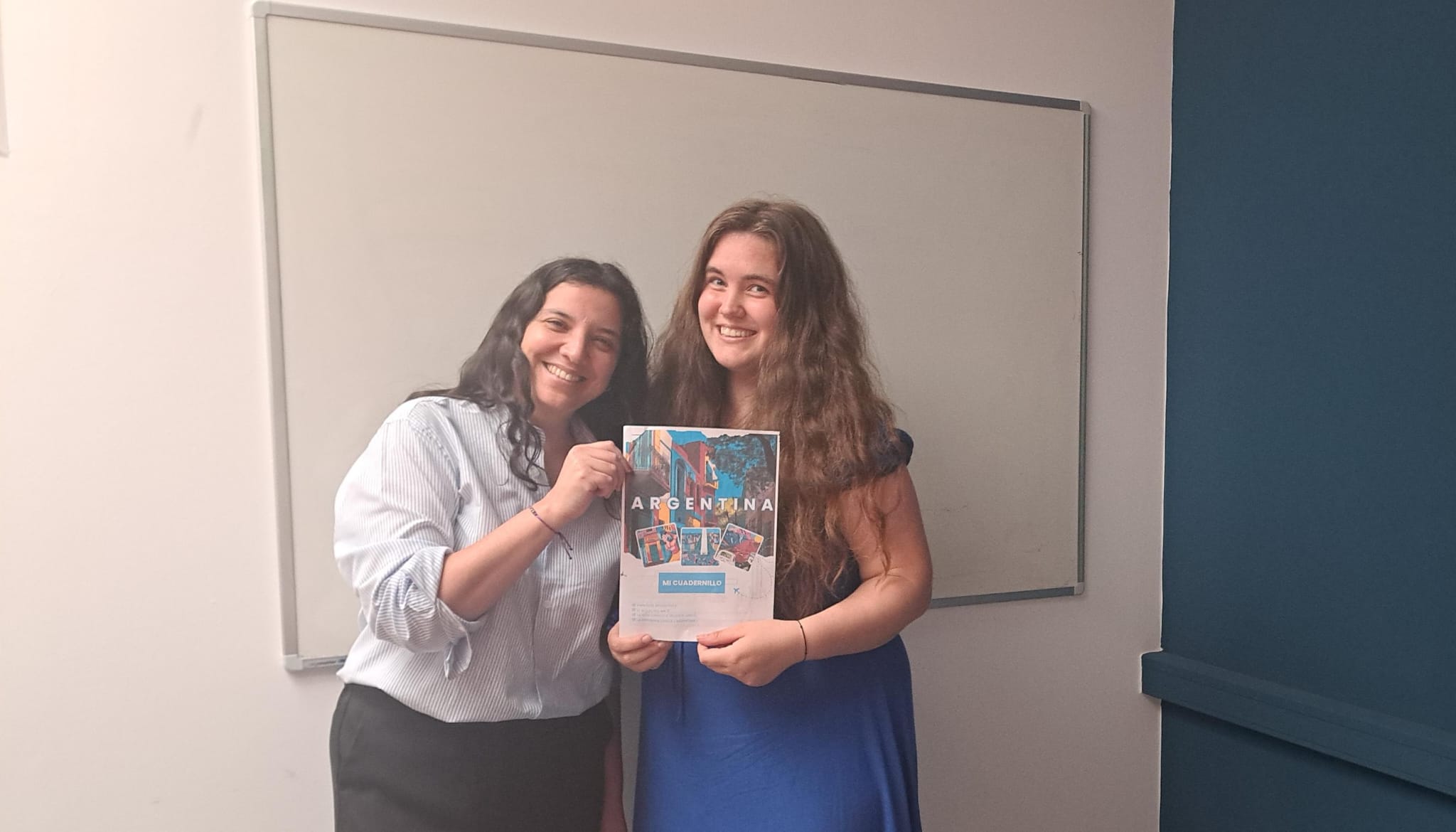
Rita completed the trio of interns coming from UNSAM to the University of South Bohemia after the Erasmus+ national agency increased funding for the credit mobility project with Argentina. Until then, she had participated in the sociolinguistic analysis of Spanish textbooks used in the Czech context only remotely; her stay therefore allowed her to experience the Czech context firsthand and better understand the background of the analyses. These are now taking concrete shape and producing results that will be presented at two conferences this fall (2026 CELU Colloquium and the Fourth International Congress of Humanities, UNSAM). Rita also participated in events for students and the wider public, including courses at Aslan Language School with Klára Nikitínská and preparations for Ibero-American Week.
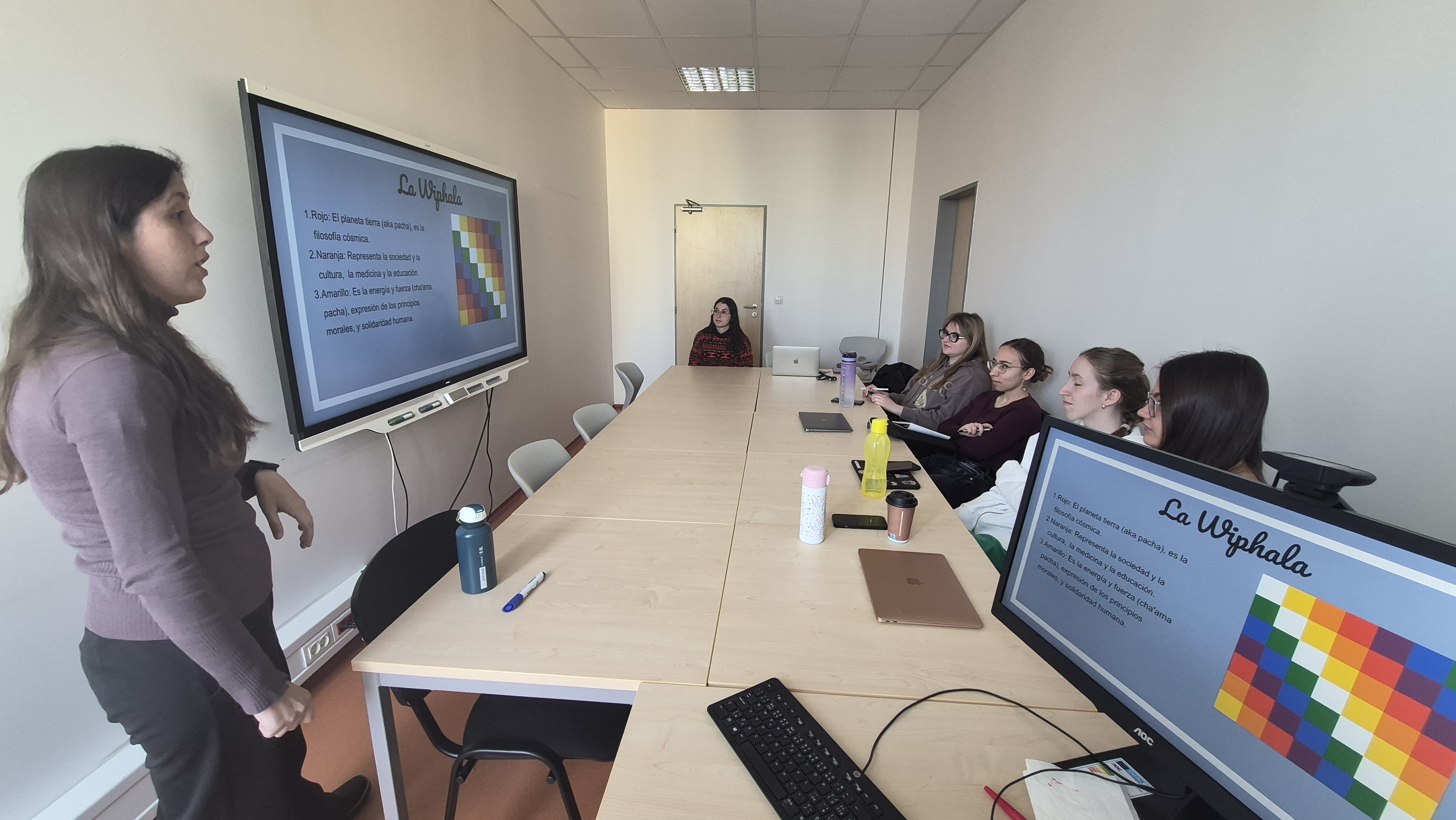
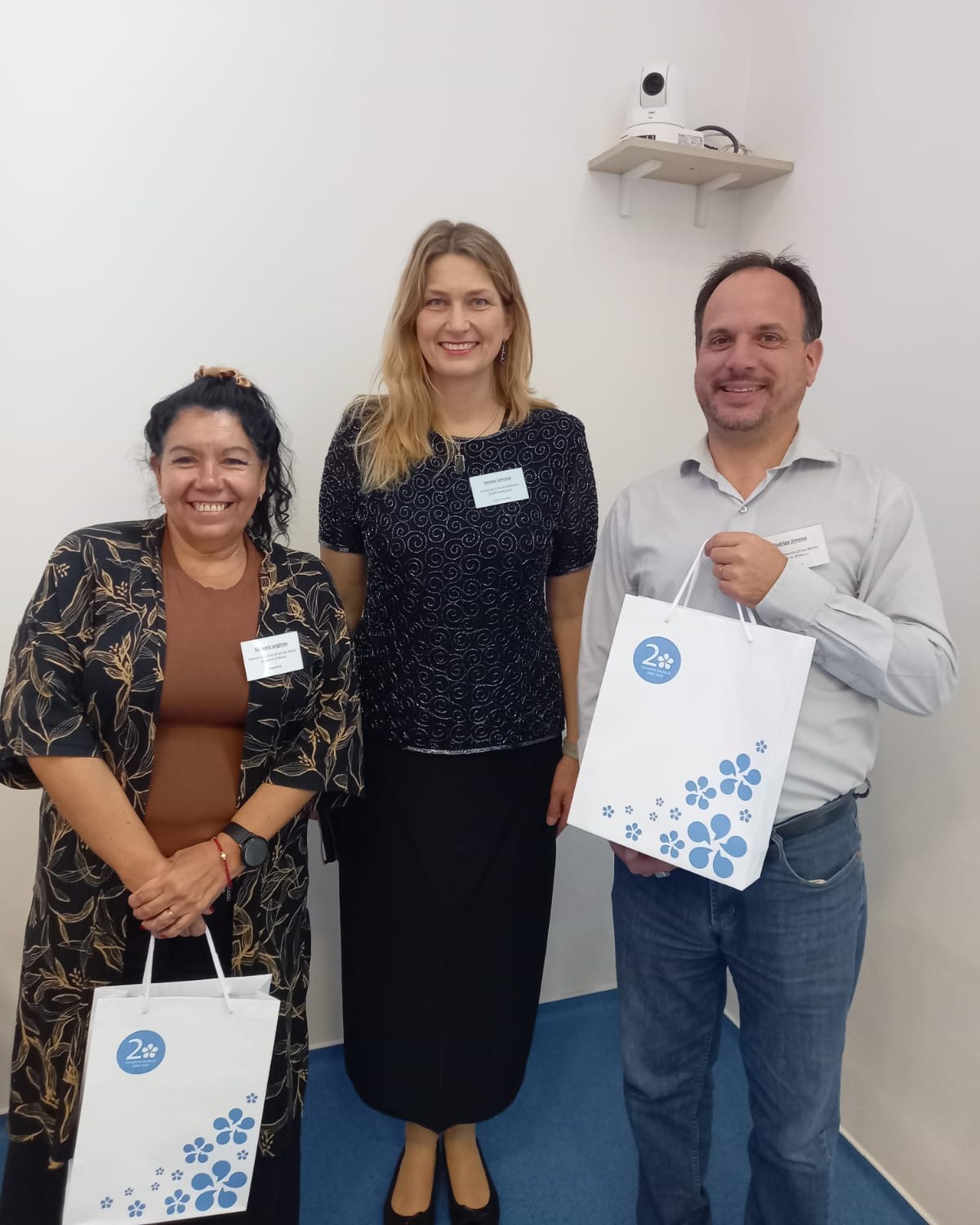
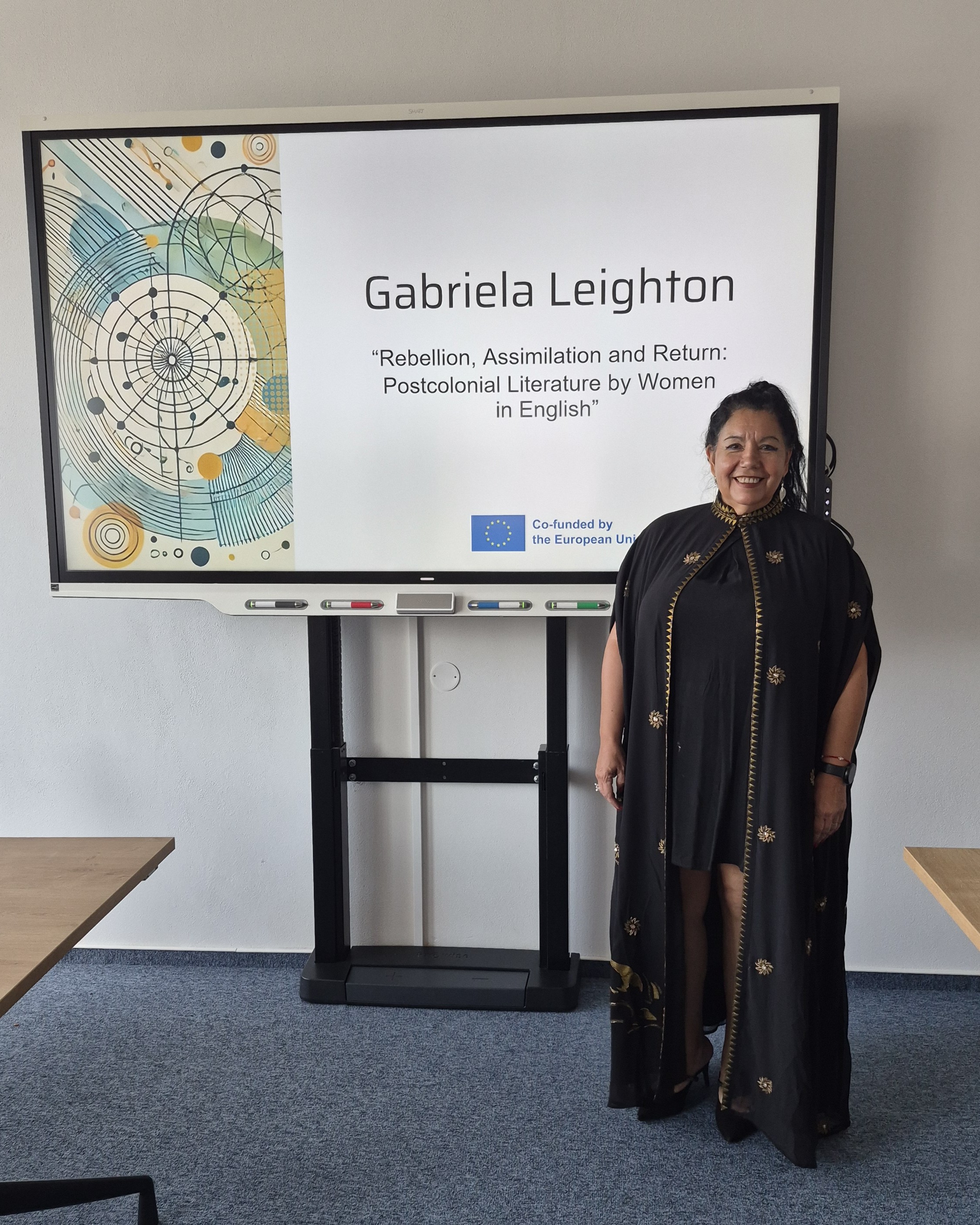
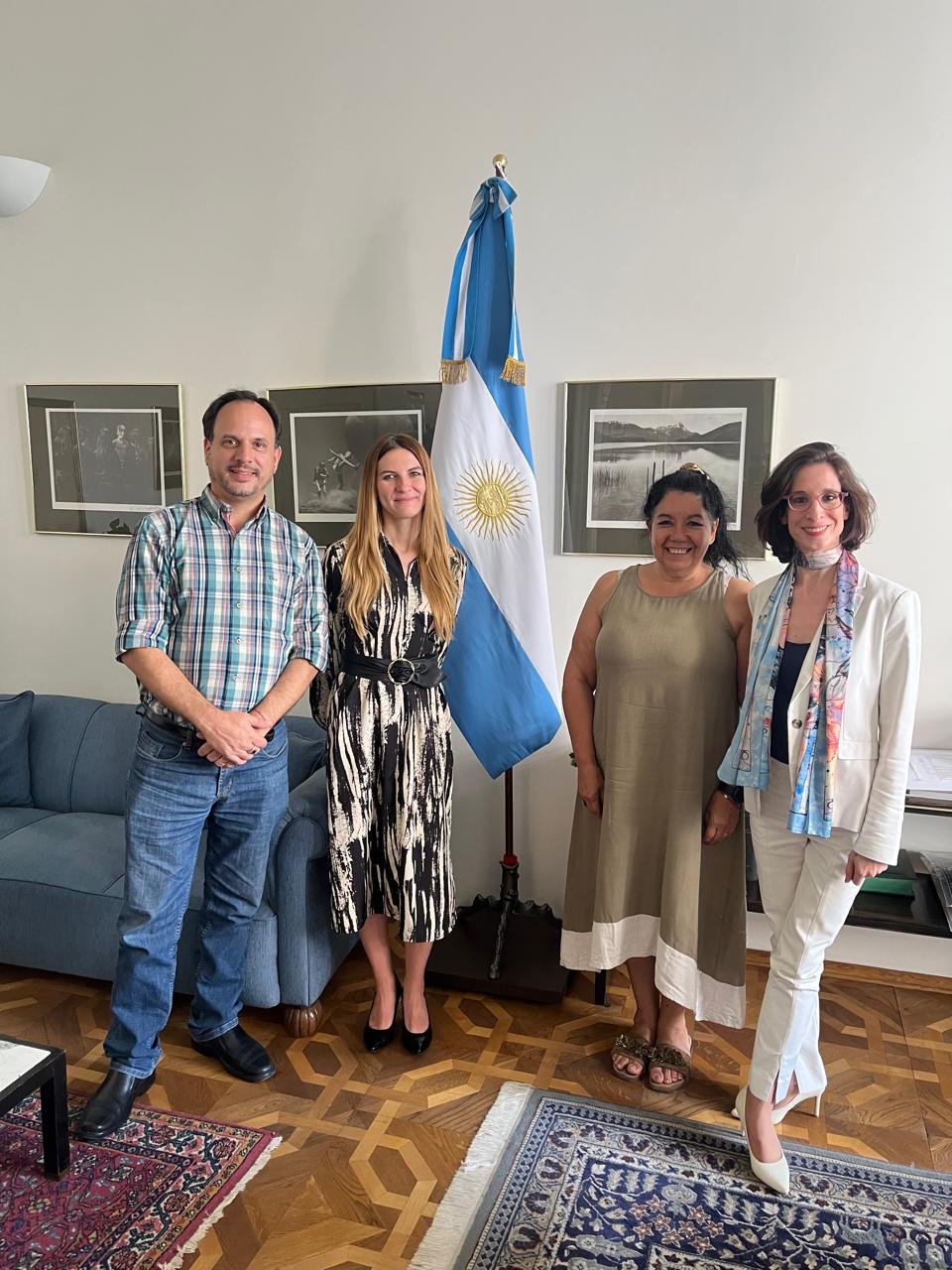
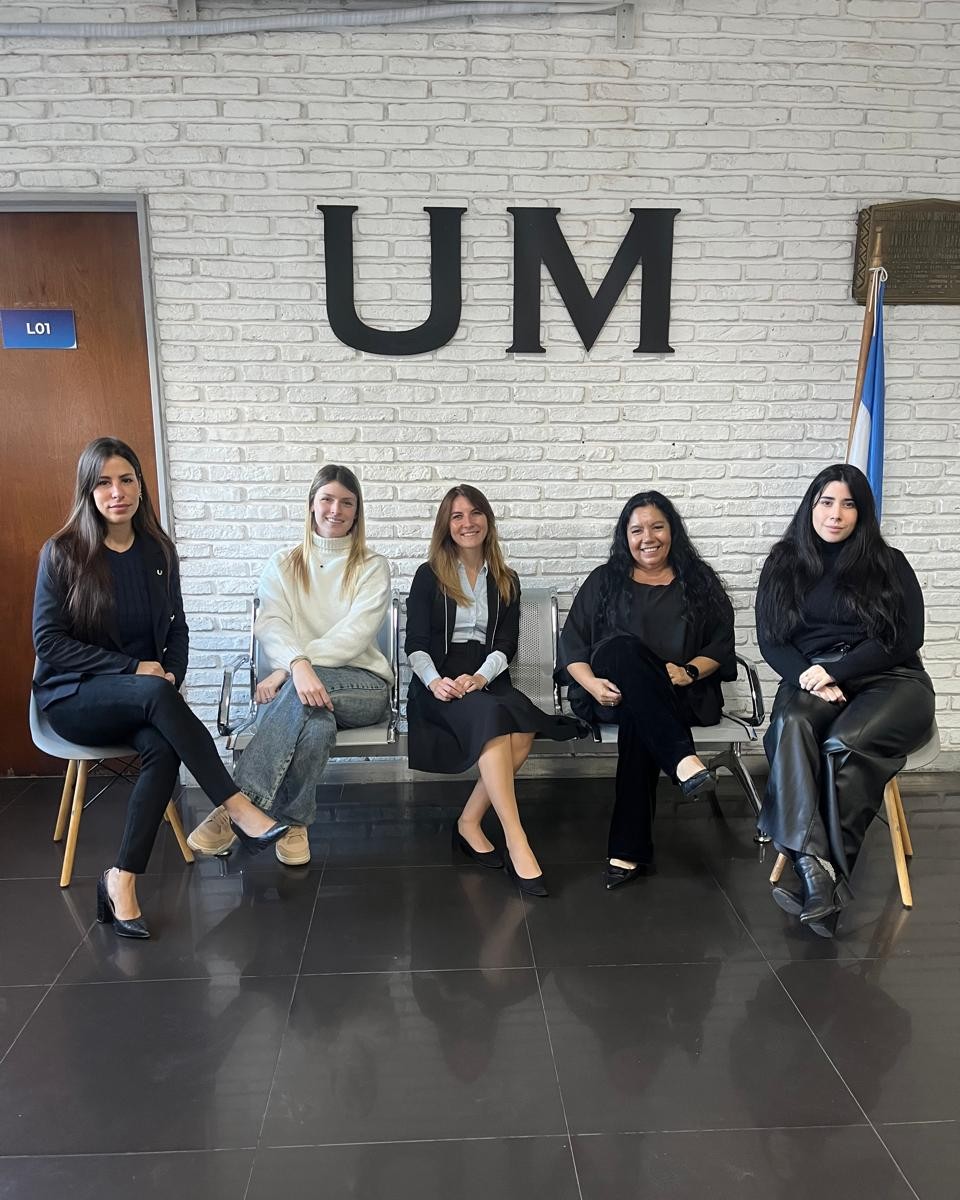
As part of this event, organized by the Czech Ministry of Foreign Affairs together with the diplomatic missions of Ibero-American countries, the seminar “Argentina en contraste: herencias, cambios y futuro cultural” was held on May 20, 2026. It was led by Gabriela Leighton and Rodrigo Jimeno of National University of San Martín (UNSAM) and University of Morón (UM). Their weeklong stay at the University of South Bohemia, however, included a broader range of academic activities: project meetings with colleagues from the Institute of Romance Studies (Odiodes, LegTerm, ManuELEs), participation in the Teachers of English for Future Europe meeting organized by the Institute of English Studies, and a meeting with the Office for International Relations at the University of South Bohemia Rectorate. The program culminated in Dr. Leighton's invited lecture on her signature topic, “Rebellion, Assimilation and Return: Postcolonial Literature by Women in English,” which colleagues from the Institutes of Romance Studies, Czech Studies, English Studies, and Art and Culture Studies attended and discussed. Before departing, the Argentine scholars were received in Prague by Laura Fracassa, Cultural, Political, and Consular Attaché at the Embassy of the Argentine Republic in the Czech Republic.
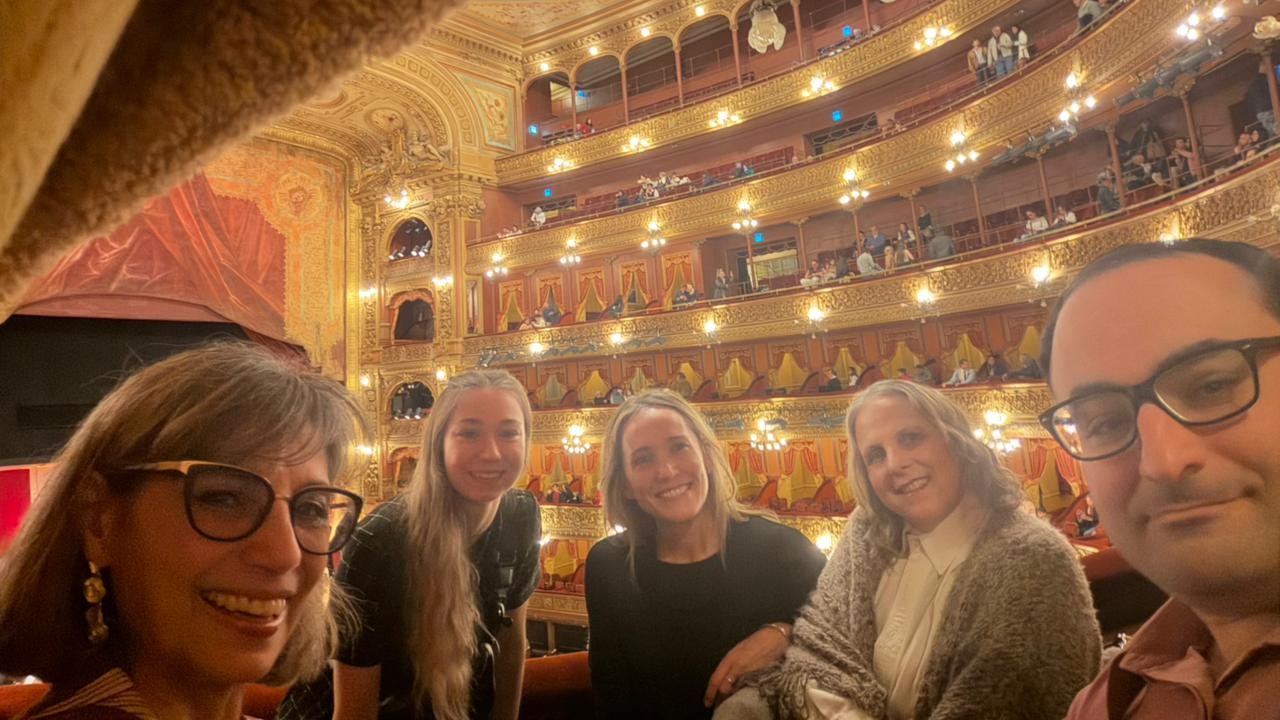
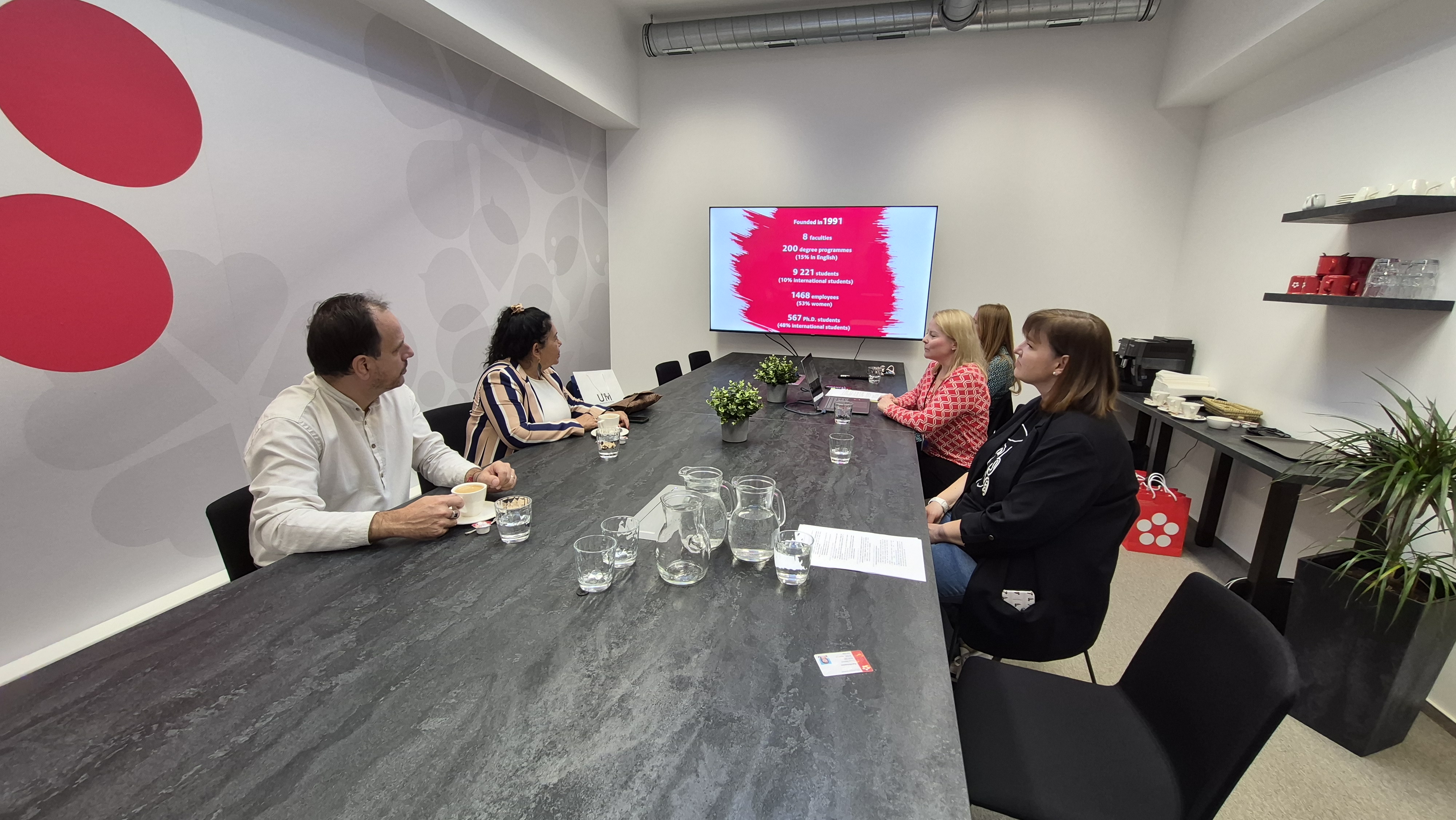
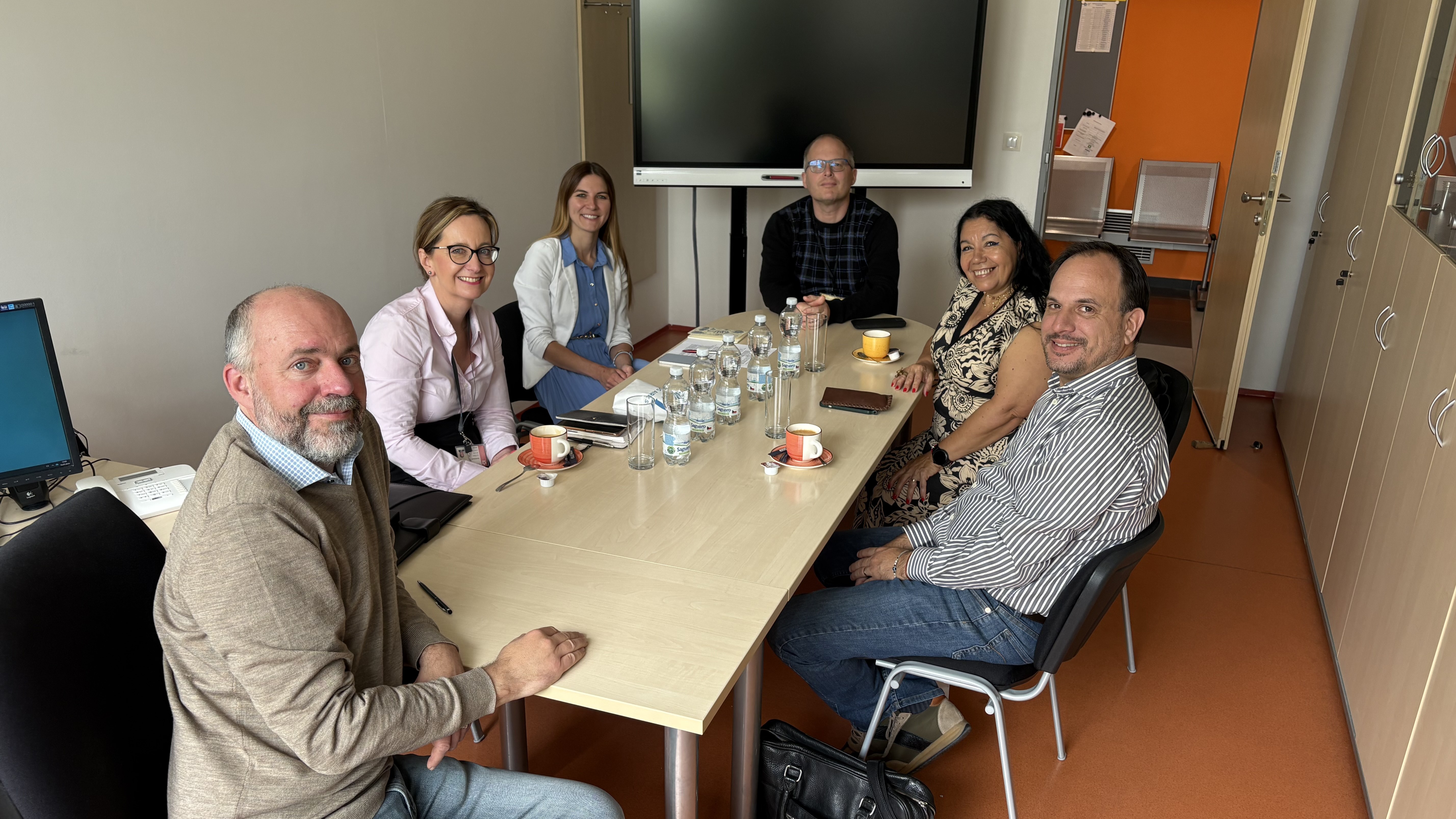
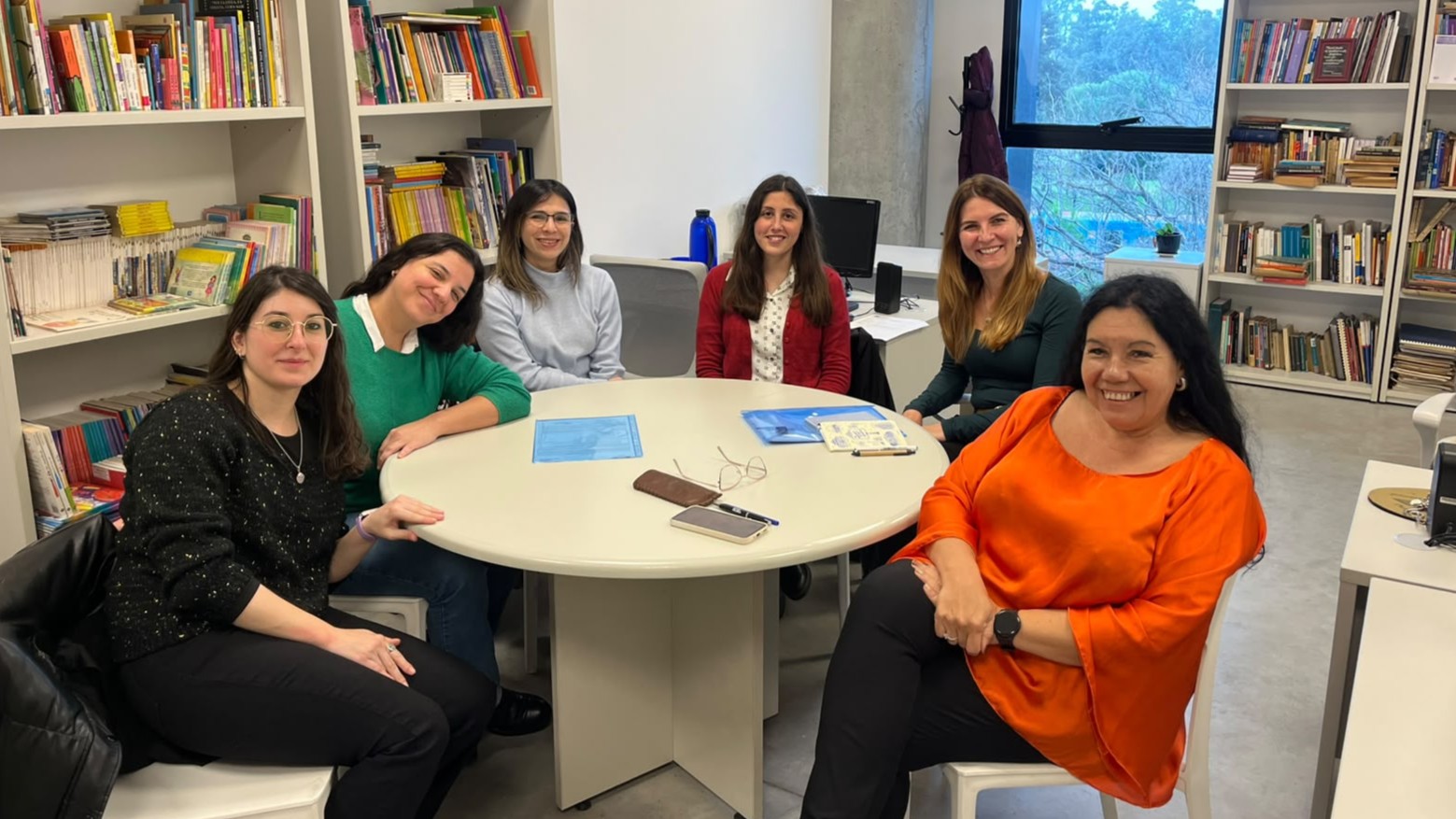
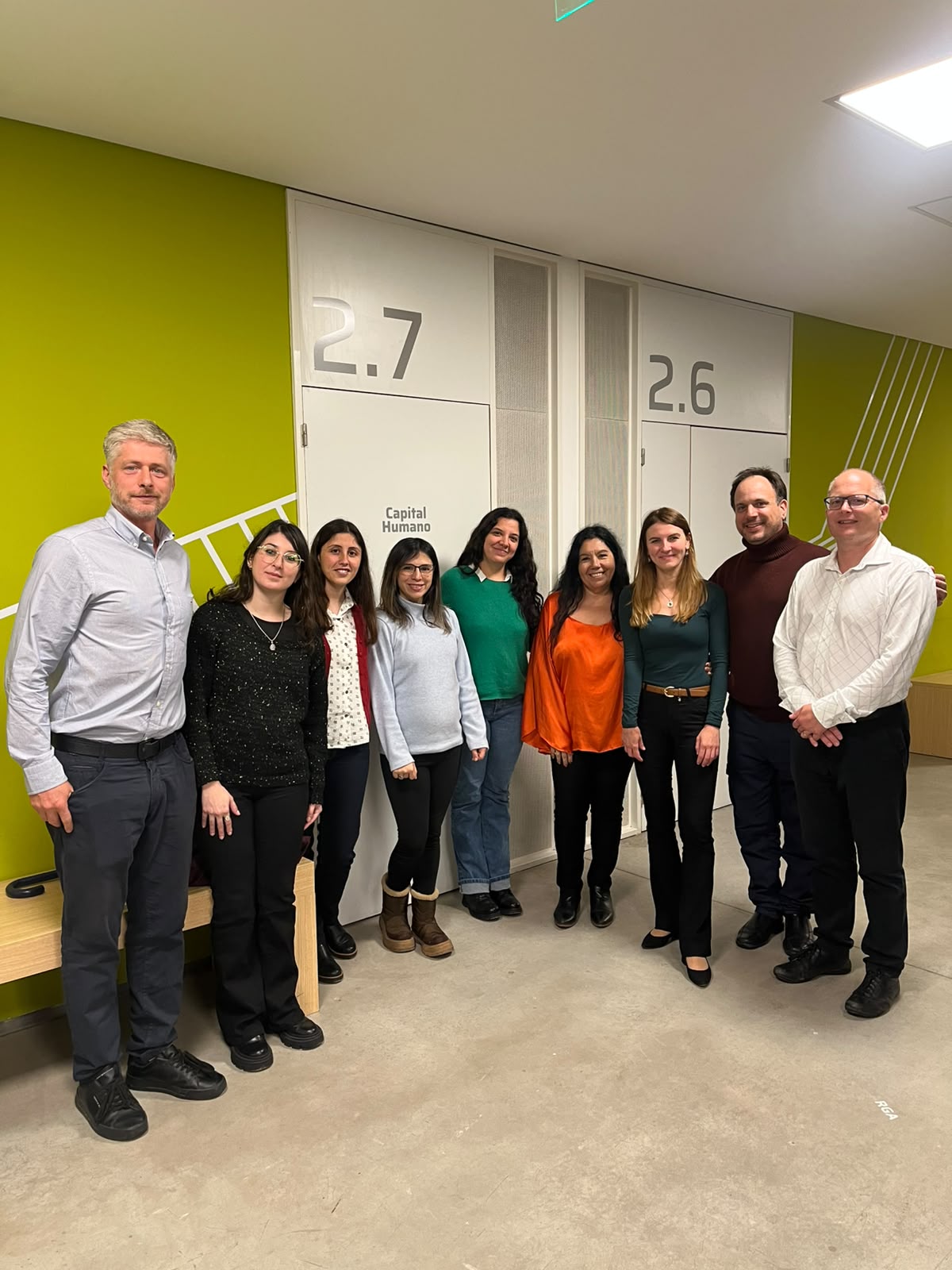
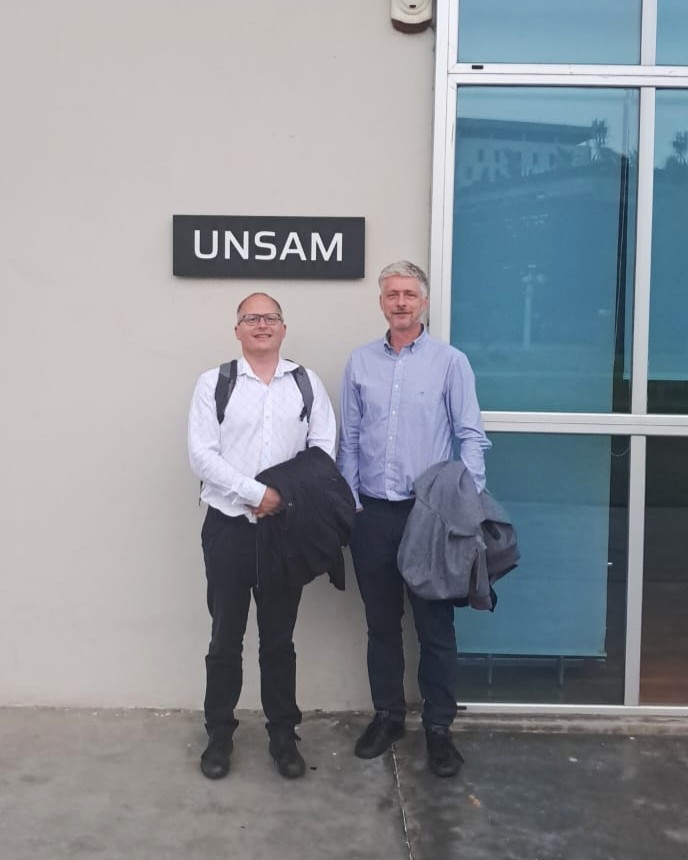
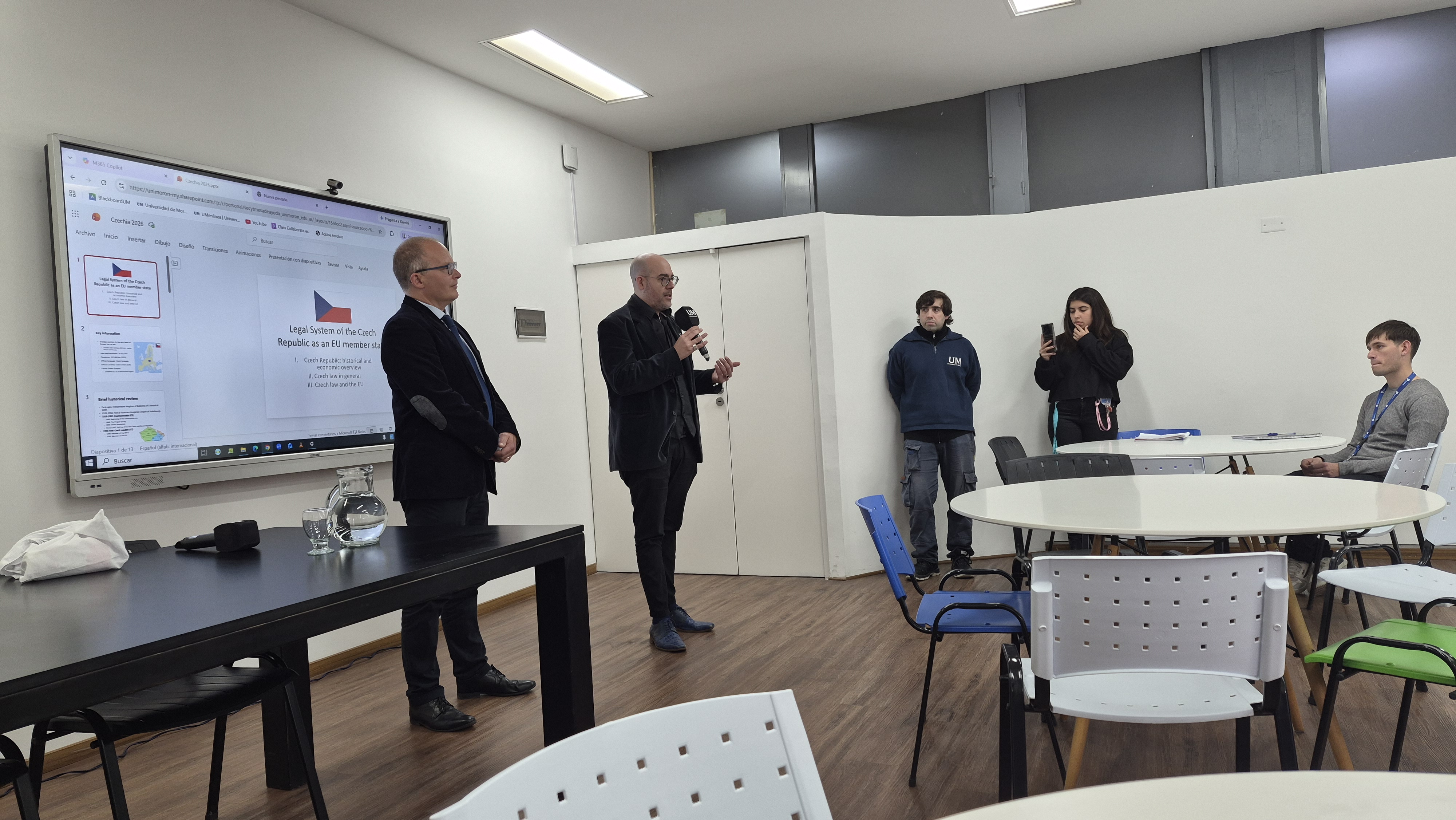
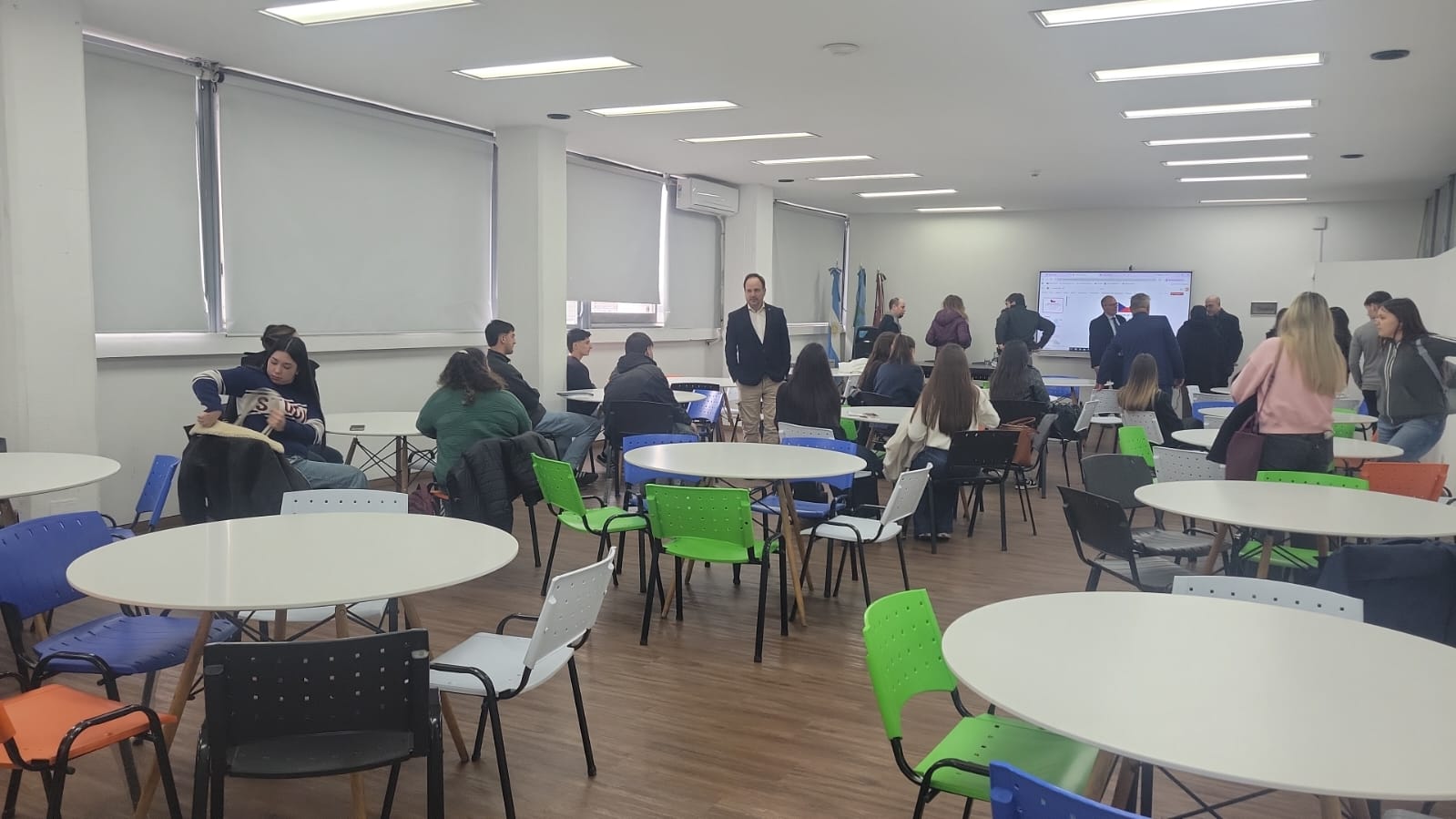
Faculty members Ivo Petrů and Markéta Šmídová of the Institute of Romance Studies concluded this academic year of cooperation with an August visit to partner institutions UNSAM and UM. The academic program began immediately upon arrival with Dr. Šmídová's seminar for UNSAM students and researchers involved in the project Manuales de ELE como espacio de (des)equilibrio sociolingüístico: género, variación y representación cultural en el contexto educativo checo, while Dr. Petrů introduced Argentine students to the legal system of the Czech Republic as an EU Member State and continued discussions on the LegTerm project. In the process, he broadened his understanding of Argentine legal Spanish and specific instances of hateful discourse addressed in the project Odio y desinformación en el entorno digital argentino y latinoamericano: estructuras discursivas, implicaciones éticas y marcos normativos (Šmídová, Leighton et al., UM). The project's political and institutional implications were then discussed with Paola Franchini (Escuela de Política y Gobierno, UNSAM), a specialist in comparative public administration in Latin America. A meeting with Petr Táborský of the Czech House continued the Czech-community dimension of the cooperation.
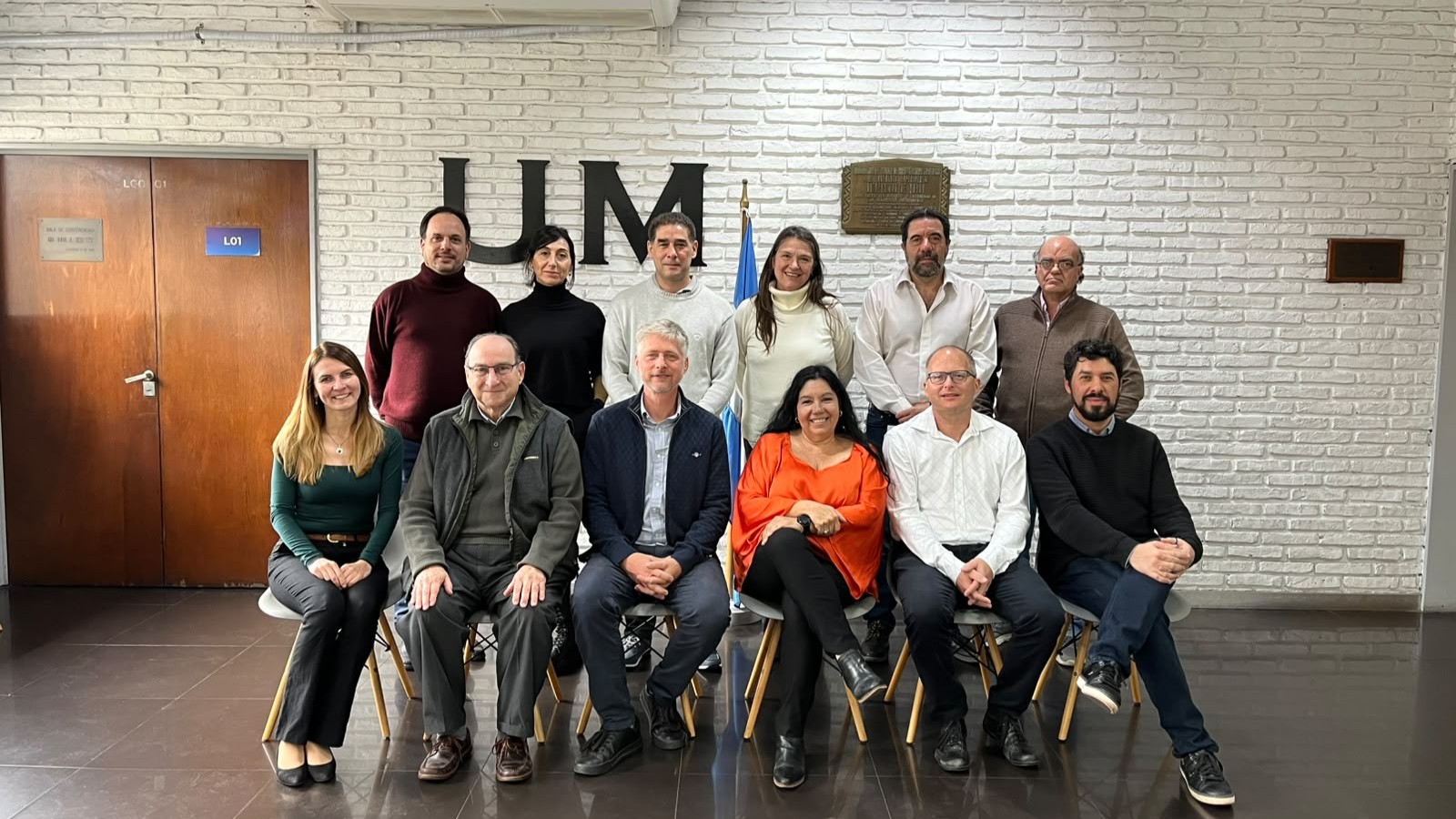
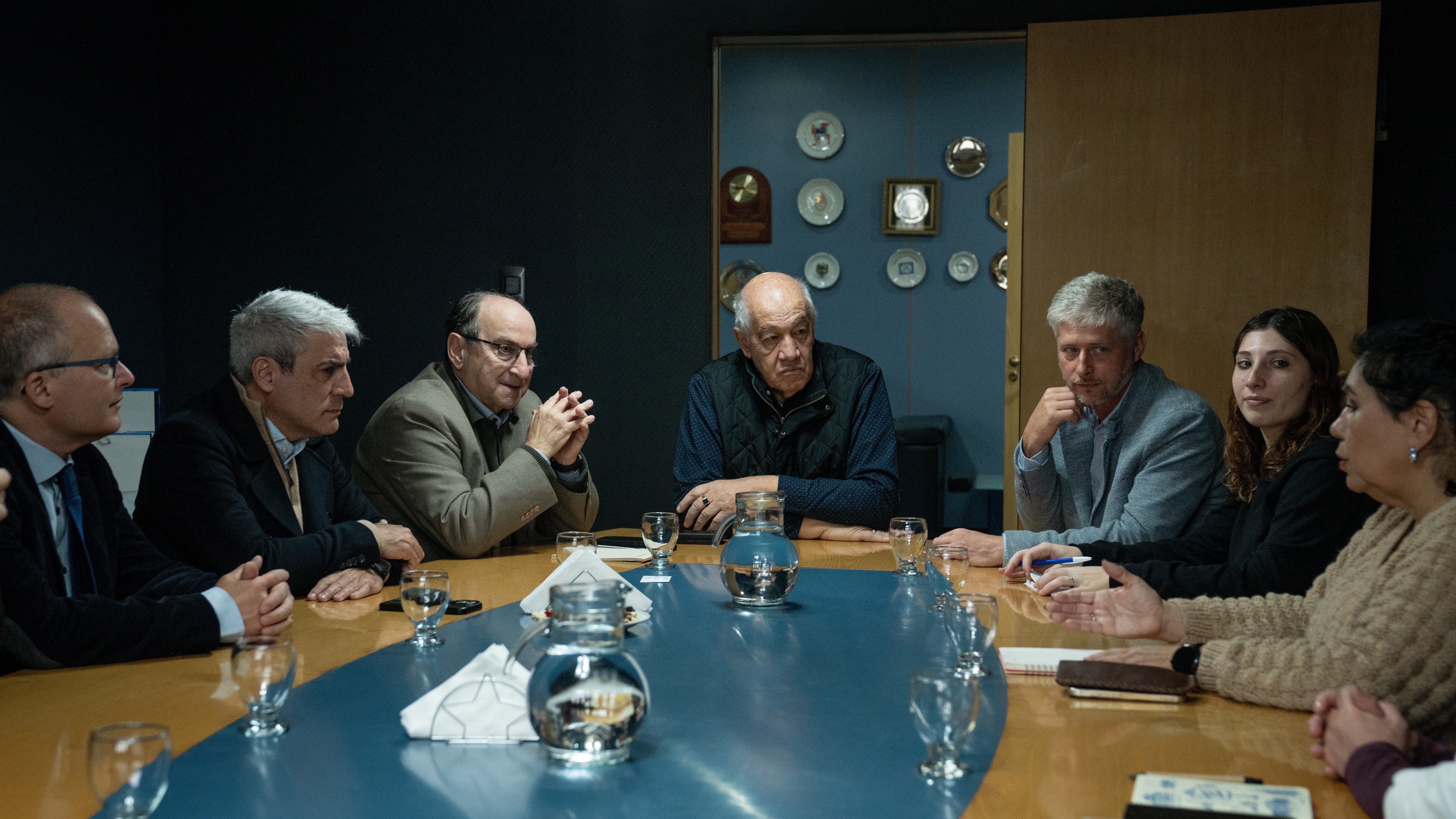
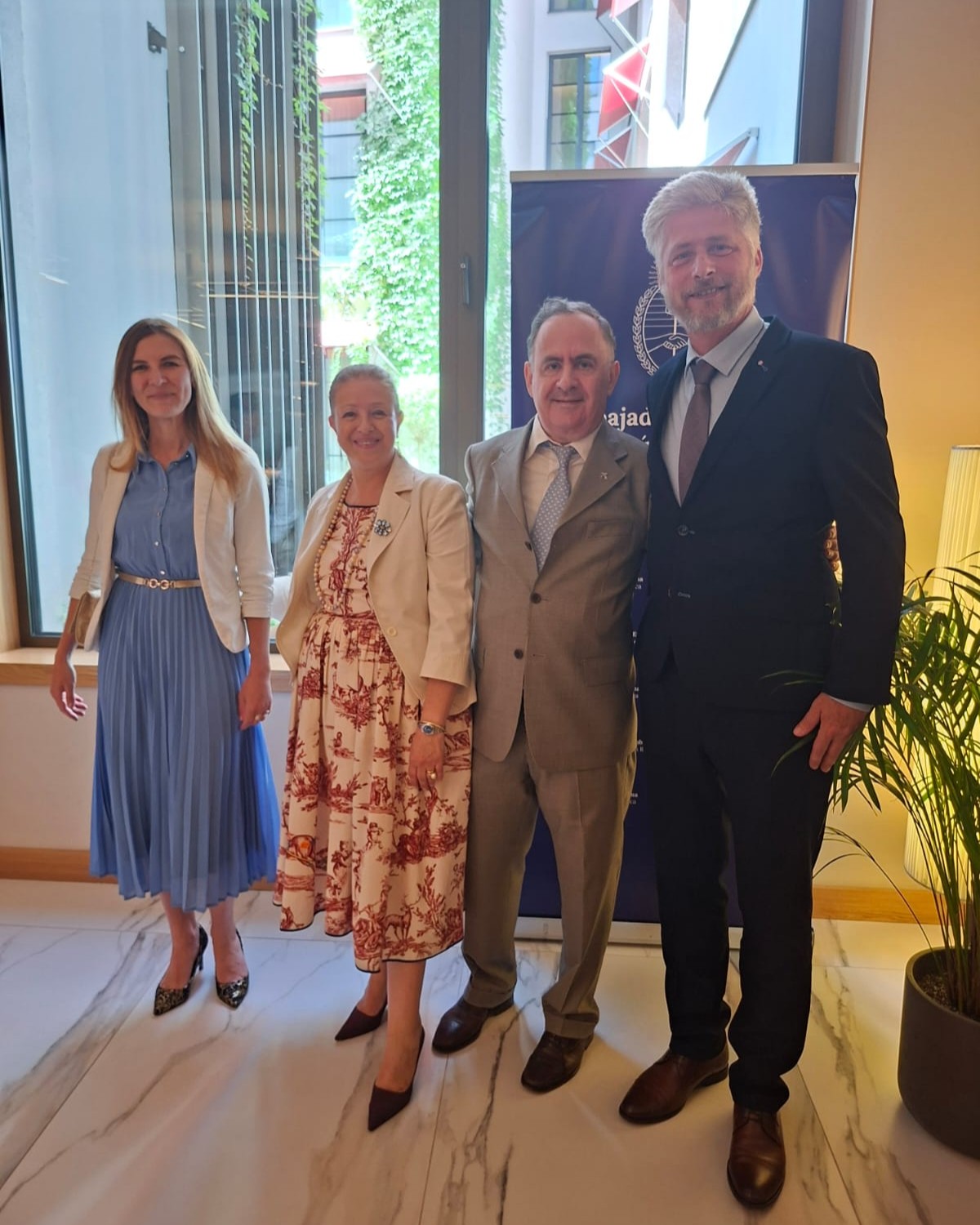
During the first half of the stay, the two Romance Studies scholars were accompanied by Vladimír Žlábek, University of South Bohemia Vice-Rector for International Relations. He supported the Faculty of Arts' existing activities and discussed with Argentine partners the possibility of expanding cooperation to additional fields, including aquatic ecosystems and water conservation, in response to specific interest expressed by the partner universities in previous years. His presence helped consolidate relations with the partners from a broader institutional perspective. The credit mobility project with Argentina thus fulfilled not only its sociolinguistic commitment but also the call to build strategic interdisciplinary partnerships. An official reception hosted by the Embassy of the Argentine Republic in the Czech Republic to mark Argentine Independence Day on July 9, 2026 also provided an important opportunity to strengthen Czech-Argentine ties.
We thank the Faculty of Arts and the Office for International Relations of the University of South Bohemia Rectorate for their support.